What Height Should Speaker Stands Be?
When choosing speaker stands, one of the most important factors to consider is height.
The right speaker stand height helps position your speakers correctly in relation to your listening position. If speakers are positioned too low or too high, you may not get the imaging, clarity, and balance they are capable of producing.
So, what height should speaker stands be?
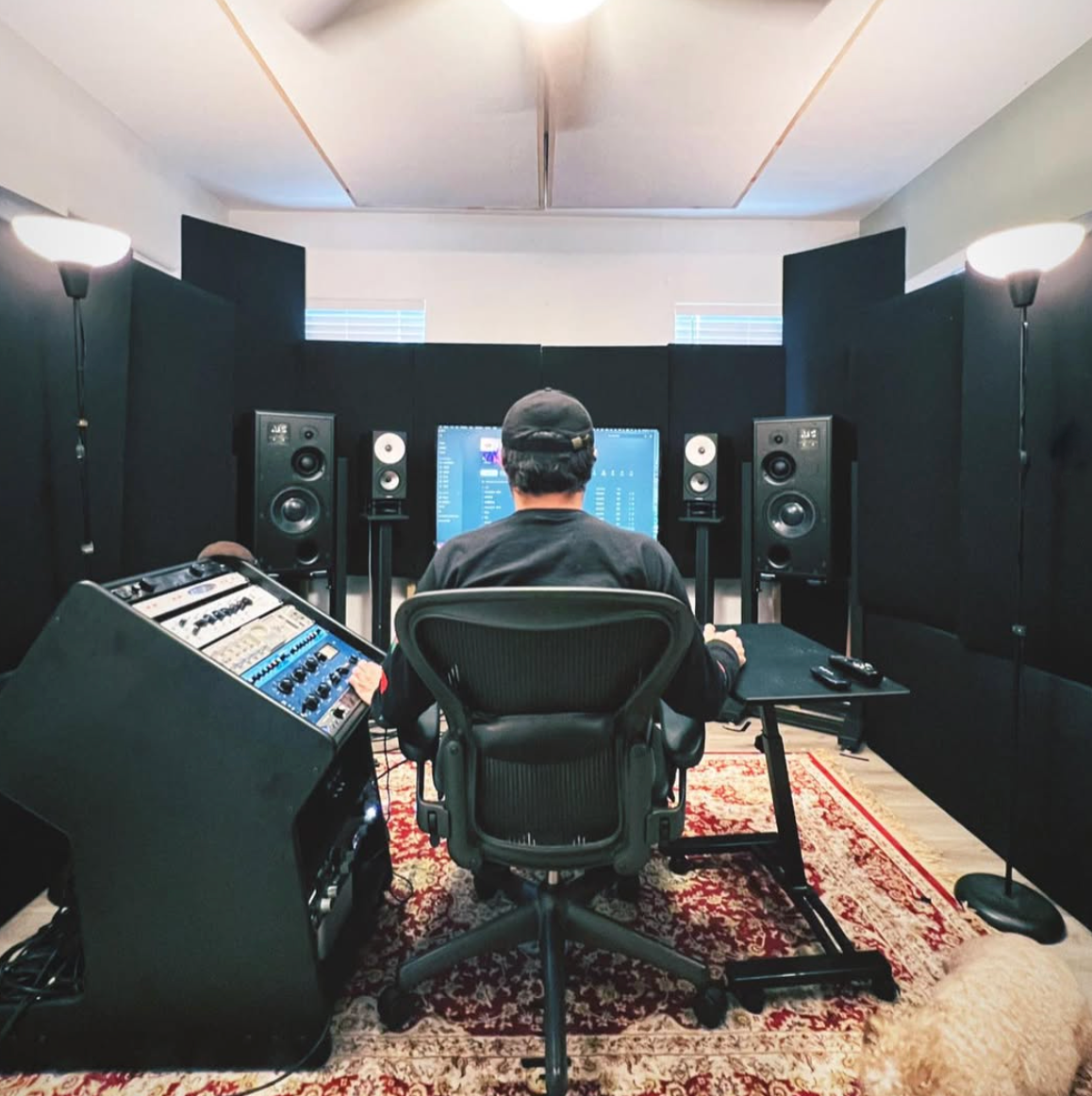
For most audio systems, a good starting point is to position the speaker's tweeter or acoustic axis approximately at ear level when you are seated.
Why Does Speaker Stand Height Matter?
Speakers are designed to reproduce sound from a particular listening position. Their height affects how sound reaches your ears and can influence stereo imaging, soundstage, and tonal balance.
This is especially important with bookshelf speakers and other compact speakers designed to be placed on stands.
A dedicated speaker stand allows you to position the speaker at the appropriate height while providing a stable foundation.
How to Calculate Speaker Stand Height
You can get a good starting point with two simple measurements.
First, sit in your normal listening position and measure from the floor to your ears.
Next, measure from the bottom of your speaker to the tweeter or recommended acoustic axis.
Then subtract the second measurement from the first:
Seated ear height − speaker tweeter height = approximate stand height
For example:
Seated ear height: 36 inches
Bottom of speaker to tweeter: 10 inches
Approximate stand height: 26 inches
In this example, a stand approximately 26 inches tall would place the tweeter near ear level.
This is a starting point, not a hard rule. Speaker design and the manufacturer's recommendations should also be considered.
What If the Tweeter Isn't Exactly at Ear Level?
It isn't necessary to achieve a measurement accurate to the fraction of an inch.
Some speakers are designed to perform with the tweeter slightly above or below ear level. Others have specific recommendations for positioning.
The goal is to establish the proper relationship between the speaker and the listener.
Speaker Stand Height for Bookshelf Speakers
Bookshelf speakers are one of the most common applications for speaker stands.
Despite their name, bookshelf speakers don't necessarily perform best when placed on a bookshelf. Furniture can put the speaker at the wrong height and may also introduce unwanted vibration.
A dedicated stand allows you to position the speaker independently of the furniture.
Stands in the 20- to 30-inch range are common for bookshelf speakers, but the correct height depends on the speaker and your listening position. Measuring your setup is better than simply choosing a standard height.
What About Studio Monitors?
Studio monitors also benefit from careful attention to height. In many studio setups, the tweeters should be approximately at the engineer's ear level when seated at the listening position.
Desk height, monitor size, listening position, and the manufacturer's recommendations all need to be considered.
Should Both Speaker Stands Be the Same Height?
In a typical stereo system, yes.
The left and right speakers should have the same relationship to the listening position whenever possible. Matching stand heights helps maintain a balanced stereo image.
Speaker placement should also be as symmetrical as the room allows.
Height Isn't the Only Consideration
Once you determine the appropriate height, make sure the stand is properly sized for your speaker.
Consider:
Speaker width and depth
Speaker weight
Top plate size
Overall stability
Floor surface
Speaker attachment or securing method
A stand that is the correct height but doesn't properly support the speaker isn't the right stand.
Choosing the Right Speaker Stand
Start with your normal listening position. Measure your seated ear height and your speaker. Check the manufacturer's recommendations, then choose a stand that provides the appropriate height, support, and stability.
At Sound Anchors, we manufacture speaker stands for a wide variety of home audio and professional speakers , including stands designed around specific speaker models and custom speaker stand applications.
A properly designed stand provides a stable foundation and puts your speakers in the right position to perform as they were designed.
Sometimes getting better sound isn't about buying a new speaker.
It starts with putting the speaker you already own on the right stand, in the right place.