How to Improve Speaker Sound Quality: Optimize What You Own Before Buying New Speakers
When your audio system isn’t sounding quite as good as you would like, it can be tempting to start looking for new speakers. However, before investing in an upgrade, it’s worth taking a closer look at your current setup.
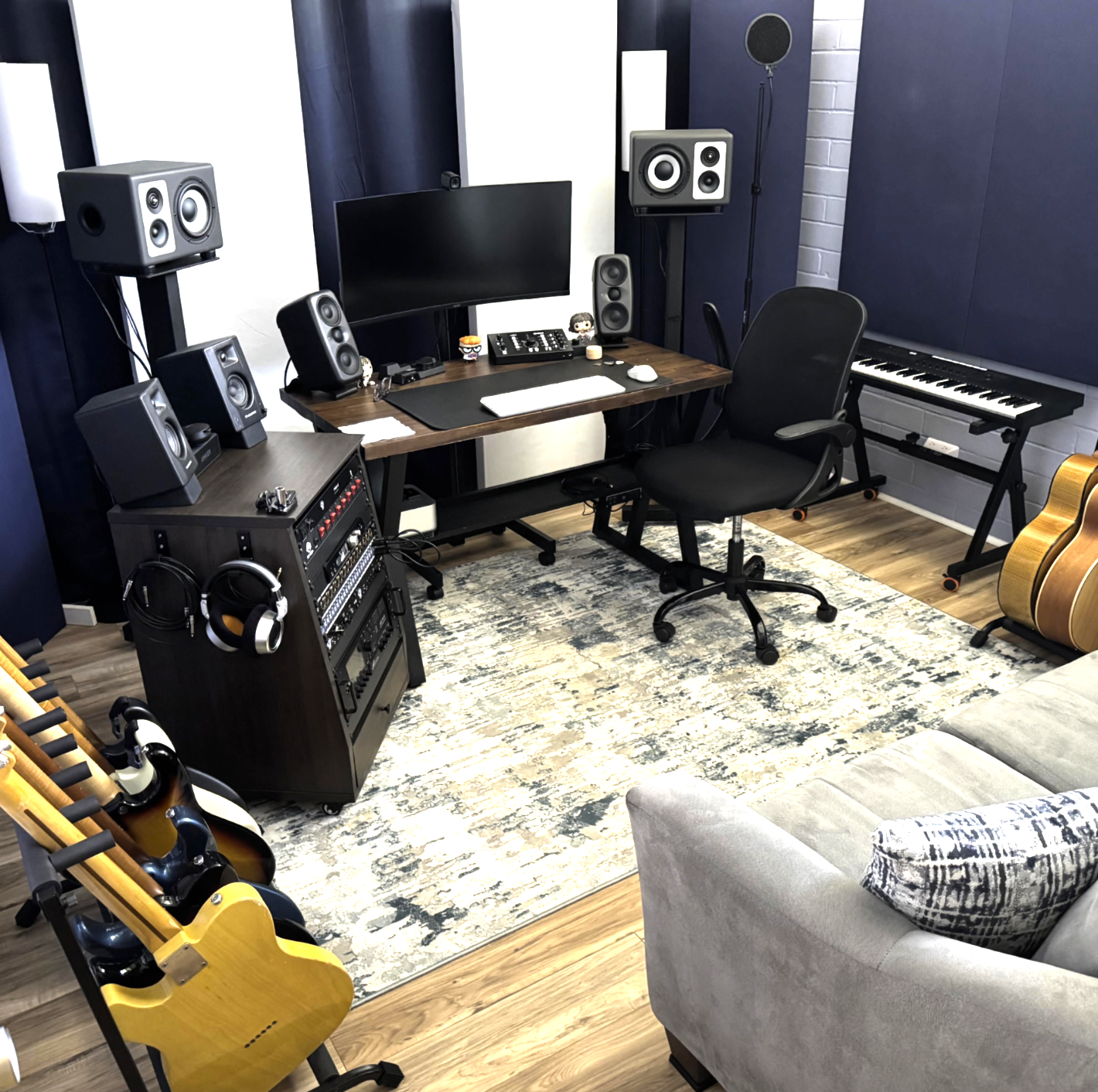
Even high-quality speakers may not perform at their best if they aren’t positioned correctly, supported properly, or working well within the room. Speaker placement, stand height, stability, vibration control, and room acoustics can all affect what you hear.
Before buying new speakers, here are a few ways to get more out of the speakers you already own and improve speaker sound quality.
1. Check Your Speaker Placement
Speaker placement can have a significant impact on sound quality. The distance between your speakers, their distance from walls, and the angle toward your listening position can all affect bass response, imaging, and overall clarity.
If your speakers are too close to a wall or corner, for example, you may notice heavier or less controlled bass. Changing the distance between your speakers or adjusting the amount of toe-in can also change the soundstage.
Start with the speaker manufacturer’s recommendations and make small adjustments from there. Every room is different, so some experimenting may be necessary to find the position that works best to improve speaker sound quality.
2. Make Sure Your Speakers Are at the Right Height
Speaker height is another important part of proper setup. In many systems, the tweeters should be positioned close to ear level when you are seated in your normal listening position.
Placing speakers on a bookshelf, desk, cabinet, or other piece of furniture may put them at a less-than-ideal height.
A properly sized speaker stand allows you to position your speakers at the height they were designed for. We manufactures speaker stands for a wide variety of home audio speakers as well as adjustable monitor stands for professional and studio applications (https://www.soundanchors.com/products/pro-audio).
3. Give Your Speakers a Stable Foundation
A speaker stand does more than simply raise a speaker off the floor.
Speakers generate energy while they are playing, and an unstable surface can allow unwanted movement and vibration. A properly designed stand provides a solid, rigid foundation that helps the speaker remain stable while operating.
Our speaker stands are designed with stability, rigidity, and resonance control in mind. Different stand designs are available depending on the size, weight, and requirements of the speaker.
Before assuming your speakers need to be replaced, consider whether they are being properly supported.
4. Pay Attention to Vibration and Isolation
Unwanted vibration can interfere with speaker performance, particularly when speakers are placed on furniture, desktops, or other surfaces that can resonate.
Proper stands, spikes, isolation products, and other accessories can help create a more stable connection between the speaker, stand, and floor.
We offer accessories including Speaker Stand Spikes, Leveling Feet, and Conecoasters to help with stability, leveling, and different flooring applications.
These may seem like small details, but they can be an important part of a properly optimized system.
5. Consider Your Room
Your speakers don’t operate independently from the space around them. The room itself plays an important role in how your system sounds.
Hard floors, windows, bare walls, furniture, and room dimensions can all affect reflections and bass response. If your system sounds overly bright, boomy, or unclear, the speakers themselves may not necessarily be the problem.
Rugs, curtains, acoustic treatments, furniture placement, and changes to speaker positioning can all help improve the listening environment.
6. Adjust Your Listening Position
Speaker position is important, but so is where you sit.
Moving your listening position forward or backward can change bass response, stereo imaging, and the overall balance of the system. Sometimes a relatively small adjustment can make a noticeable difference.
Your speakers and listening position should work together, so it’s worth experimenting with both before making decisions about new equipment.
7. Optimize Before You Upgrade
There are plenty of good reasons to upgrade your speakers, especially if your listening preferences or audio system have changed. But replacing your speakers shouldn’t necessarily be the first step when you’re looking for better sound.
First, make sure your current speakers are properly positioned, at the correct height, supported by a stable stand, and working well within your room.
A few changes to your setup may help you hear performance from your existing speakers that you didn’t realize was there.
Sound Anchors has been designing and manufacturing high-quality speaker stands and support systems since 1984. From custom stands designed for specific speaker models to adjustable studio monitor stands and speaker stand accessories, our products are designed to provide the stable foundation and proper positioning speakers need to perform at their best.
Before you invest in new speakers, take some time to optimize the ones you already own to improve speaker sound quality. You may find that your current system has more to offer than you thought.