5 Common Speaker Placement Mistakes (and How to Fix Them)
Even high-quality speakers cannot deliver their full potential if they are set up incorrectly. One of the most common issues people run into when building a home audio system is poor speaker placement. Small positioning mistakes can dramatically affect clarity, bass response, and stereo imaging.
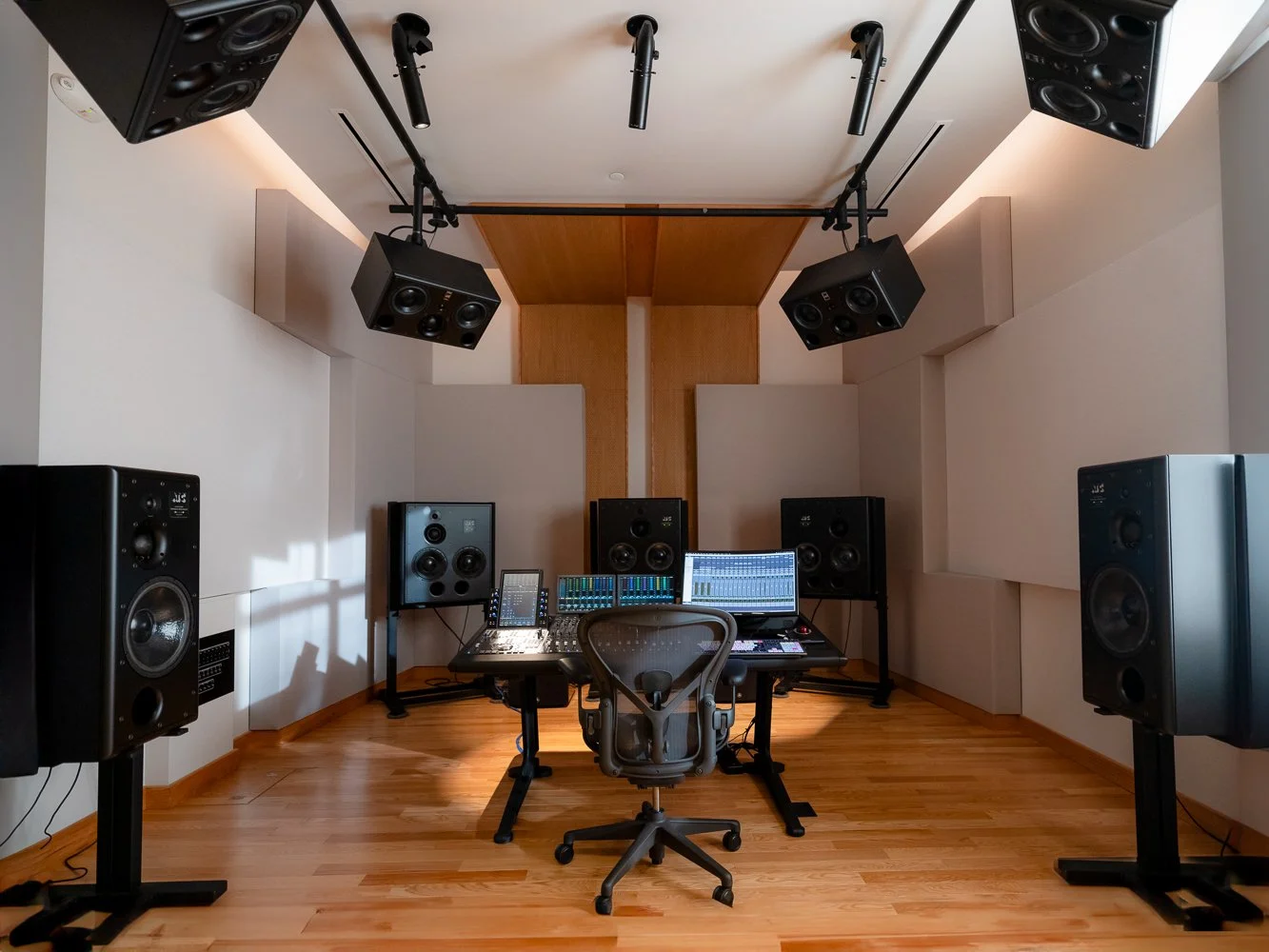
Speaker Stand Placements make all the difference.
The good news is that correcting a few common speaker placement mistakes can instantly improve the way your system sounds without replacing your speakers.
Below are five of the most common problems and how to fix them.
1. Placing Speakers Directly on Furniture
One of the biggest speaker placement mistakes is setting speakers directly on bookshelves, cabinets, or media consoles. While this may seem convenient, furniture surfaces can vibrate and resonate when speakers are playing music.
These vibrations blur detail and reduce overall clarity.
The fix:
Use purpose-built speaker stands that isolate speakers from surrounding surfaces. Proper stands help reduce vibration and stabilize the speakers for cleaner sound.
Our stands are engineered specifically to support optimal speaker placement. The welded steel used in our stands provides exceptional stability and reduces unwanted resonance so speakers can perform at their best.
2. Speakers Positioned Too Low
Another common speaker placement issue is positioning speakers too low. When speakers sit on low furniture, the sound arrives below ear level, which can reduce detail and distort the stereo image.
For the most accurate sound, the tweeters should be roughly at ear level when you are seated in your listening position.
The fix:
Use speaker stands designed to position speakers at the proper listening height. Proper speaker placement helps maintain the intended soundstage and improves overall clarity.
Many of our stands are designed with ideal listening height in mind, helping align the speaker drivers with your ears for better imaging.
3. Speakers Too Close to Walls
Wall proximity can have a major impact on speaker placement and sound quality. Placing speakers directly against a wall can exaggerate bass frequencies and create an uneven tonal balance.
The fix:
Start by placing speakers about 12 to 24 inches away from the wall behind them, then adjust based on how the room sounds.
Careful speaker placement allows bass to remain tight and controlled while preserving clarity in the midrange.
4. Speakers Too Close Together
When speakers are placed too close together, the stereo image becomes narrow and instruments may sound like they are coming from the same spot.
Proper speaker placement creates a wider and more immersive soundstage.
The fix:
Use the listening triangle rule:
• Distance between speakers should roughly equal
• Distance from each speaker to your listening position
This approach helps achieve balanced stereo imaging and a more realistic listening experience.
5. Ignoring Vibration and Isolation
Even when speakers are positioned correctly, poor isolation can affect performance. Lightweight stands or unstable surfaces allow speakers to vibrate during playback, which can reduce detail and accuracy.
The fix:
Choose high-quality stands that provide proper mass and structural stability.
This is where our stands “stand out”. Our designs are trusted by audiophiles and recording professionals because they prioritize rigidity, vibration control, and optimal speaker placement.
Better Speaker Placement Means Better Sound
Improving speaker placement is one of the most effective ways to upgrade your sound system without buying new equipment. Small adjustments to position, height, and isolation can unlock dramatically better performance from the speakers you already own.
By correcting common speaker placement mistakes and supporting your system with well-engineered stands from Sound Anchors, you can achieve clearer sound, better imaging, and a more immersive listening experience.
Sometimes the biggest improvement in your system comes from simply placing your speakers where they belong.